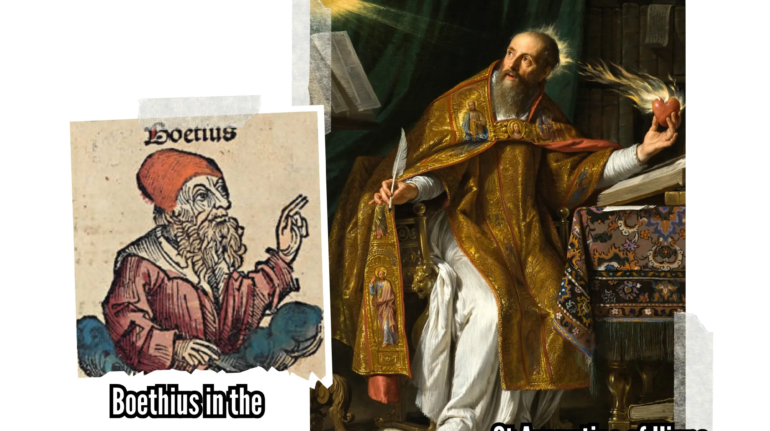
A collage of saint Boethius and Saint Augustine art by Michel Wolgemut, Wilhelm Pleydenwurff and Philippe de Champaigne, Public domain

Augustine & Boethius: Insights and Legacy

⚫ Saint Augustine of Hippo was influential in blending philosophical ideas from Greek traditions with Christian thought, providing a unique perspective on issues like morality, the nature of the soul, and divine providence.
⚫ Both Augustine and Boethius were significantly influenced by Greek philosophers such as Plato and Aristotle. This influence is evident in their approach to understanding reality, the concept of the divine, and the human quest for knowledge and truth.
⚫St. Augustine’s contributions to Christian theology are vast, covering topics like original sin, predestination, grace, and free will. Boethius’ work also delved into similar themes, providing foundational ideas for Western Christian thought.
⚫Augustine and Boethius successfully synthesized philosophical reasoning with religious faith. This synthesis created a comprehensive worldview that addressed both the nature of the divine and the role of humans in relation to it.
⚫The enduring legacy of Augustine and Boethius in shaping Christian belief and philosophy is a prominent theme. Their ideas continue to influence theological and philosophical discussions, emphasizing the timeless nature of their contributions.
⚫The relevance of Augustine and Boethius’ ideas in contemporary discussions on ethics, morality, and spirituality is also highlighted. Their perspectives offer insights into modern life, providing guidance in navigating complex ethical and philosophical dilemmas.
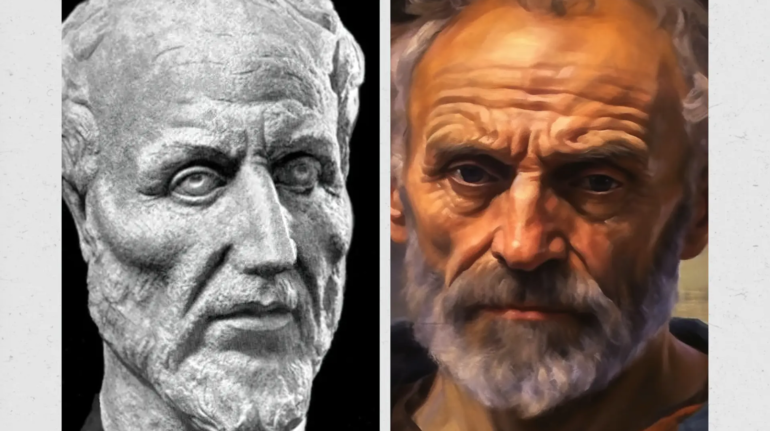
A collage featuring a classical sculpture of Plotinus on the left and a modern artistic rendition of him on the right.

Plotinus: The Philosopher Who Saw God in Mathematics

⚫Neoplatonism is intertwined with various philosophies such as Plato’s dualism, Aristotle’s logic, Stoicism’s ethics, Augustine’s Christianity, and Gnosticism’s mysticism. It synthesizes elements from these philosophies, creating a unified view of reality and existence beyond death. ⚫Plotinus views death as a transition, not an endpoint. Souls, based on their earthly lives, go through stages in the afterlife, with enlightened souls transcending the physical realm and unifying with ‘the One’. ⚫Followers like Proclus, Porphyry, and Iamblichus contributed significantly to Neoplatonism, each bringing unique perspectives and developments, ensuring the philosophy’s continuity and evolution. ⚫Plotinus’ ideas of unity and the soul’s journey towards spiritual truth continue to resonate, offering both philosophical insights into existence beyond the physical and practical guidance for harmonious living.

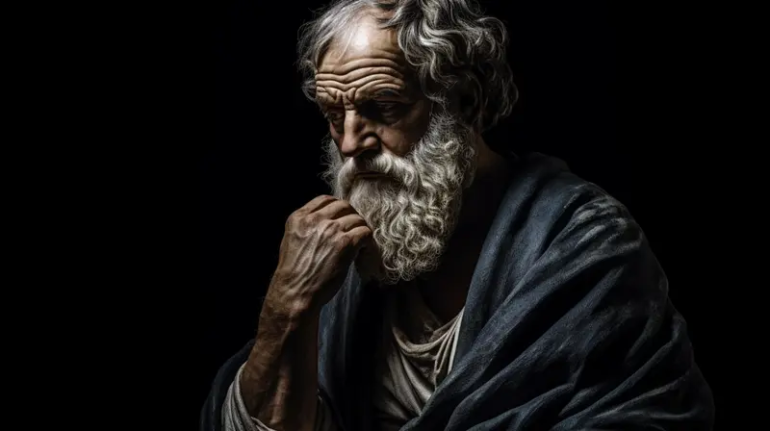
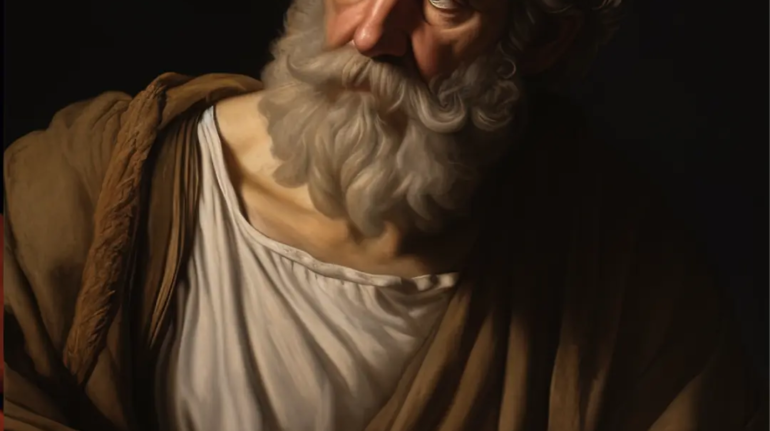
Close-up portrait of Sextus Empiricus with a thoughtful expression, illuminated by soft lighting. Painted in earthy colors of blues, browns, and whites, capturing the depth and texture in Artemisia Gentileschi's style.

Sextus Empiricus: Skepticism’s Transformative Wisdom

⚫ Academic Skepticism: This concept involves the constant questioning of all things. Sextus Empiricus advocated for a stance of uncertainty due to the absence of absolute knowledge or truth in the world.⚫ Key Concepts: Pyrrhonian Skepticism and Modified Pyrrhonism are presented as powerful frameworks for critical inquiry, encouraging a continuous exploration of truth and knowledge.⚫ Real-World Application: Skepticism in the real world fosters critical thinking and open-mindedness across various life aspects, showcasing its practical relevance and utility.

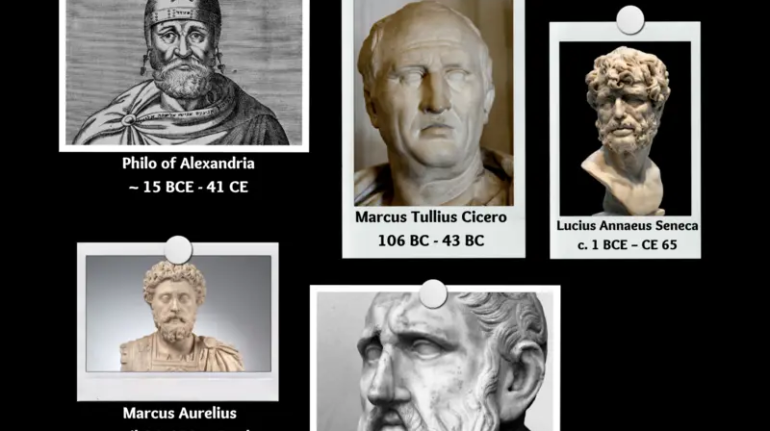
Collage of major figures in Stoic Philosophy

The 15 Core Stoic Principles (And Why They Still Work Today)

⚫Stoicism, rooted in virtue and resilience, is explored through the lenses of Cicero, Philo, Seneca, and Aurelius, each contributing unique interpretations and applications of Stoic principles.

⚫The historical journey of Stoicism is traced, highlighting its evolution and enduring influence across various epochs, including its resurgence in modern times.

⚫Core Stoic principles such as ethics, logic, and physics are dissected, providing a roadmap to achieving tranquillity and moral excellence amidst life’s tumult.

⚫The individual beliefs and teachings of each philosopher are meticulously examined, offering a rich tapestry of Stoic thought and its practical application in navigating life’s adversities.

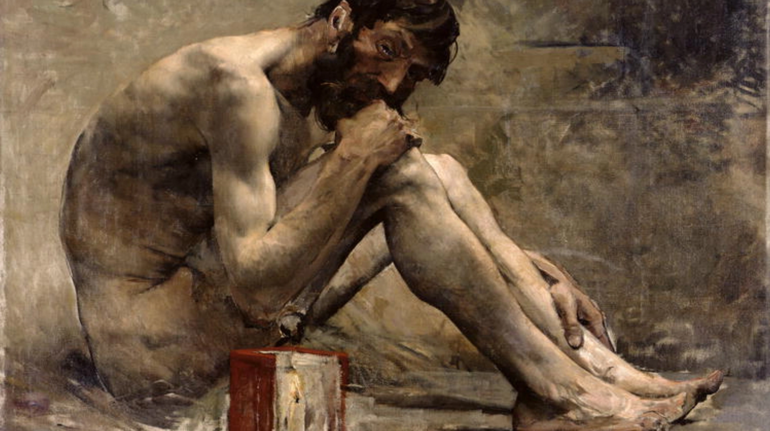
Diogenes (1873) by Jules Bastien-Lepage

Diogenes: Pursuing Truth through Simplicity

⚫ Diogenes of Sinope’s Life and Philosophy is simple. He founded the philosophy of Cynicism. He emphasizes living simply and rejecting materialism.
⚫ Diogenes’ teachings, particularly his focus on virtue and internal happiness over material wealth, have left a lasting impact, influencing modern philosophies and thinkers.
⚫ Diogenes was known for his criticism of societal norms, religious practices, and government policies, advocating for a life that aligns more with nature and personal virtue.
⚫ In Modern Times Diogenes’ philosophies is inspiring as it offers a guide for modern practices like mindfulness and minimalism.

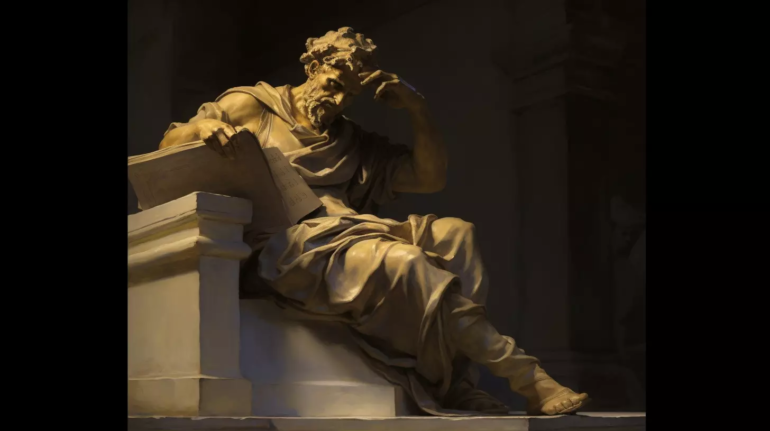
Reimagined painting of Aristotle.

Aristotle: Complete Guide to His Life, Philosophy & Lasting Impact

⚫ Aristotle, born in Stagira, Macedonia, was profoundly influenced by his early political exposure and education at Plato’s Academy in Athens.

⚫ Aristotle significantly influenced various fields, including ethics, politics, metaphysics, and natural sciences, leaving a foundational philosophical legacy.

⚫ Aristotle’s teachings continue to shape contemporary societies, focusing on justice, virtue, and the nature of human relationships.

⚫ His enduring influence extends beyond philosophy, impacting mathematics, natural sciences, and various other disciplines.

Why Plato is the light behind western philosophy

Plato the Light of Western Philosophy

⚫Plato’s philosophical works, especially “The Republic,” have shaped Western political thought, ethics, and justice.

⚫His emphasis on reason and philosophical principles in governance has influenced modern democracy and legal systems.

⚫Plato’s ideas on religion, truth, and contemplation have had a profound impact on interfaith dialogues and spiritual understanding.

⚫His legacy continues to resonate in contemporary culture, reflecting in literature, music, and a deep influence on ethical considerations.

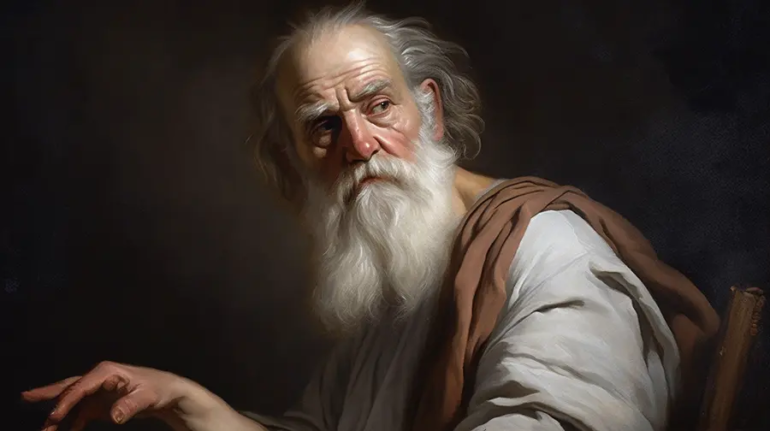
"Plato: The Philosopher's Gaze in the Style of Artemisia Gentileschi" by Midjourney/abjuniormnea

Plato’s Philosophy: An Empowering Voyage from Shadows to Enlightenment

⚫Plato’s philosophy is deeply rooted in his belief in the existence of a perfect, eternal world of Forms.
⚫The Allegory of the Cave is a metaphor for human perception, illustrating our struggle to reach understanding and enlightenment.
⚫Plato’s Theory of Forms argues that non-physical forms represent the most accurate reality.
⚫The philosopher king, according to Plato, is the ideal ruler, as he possesses knowledge of the good and the just.

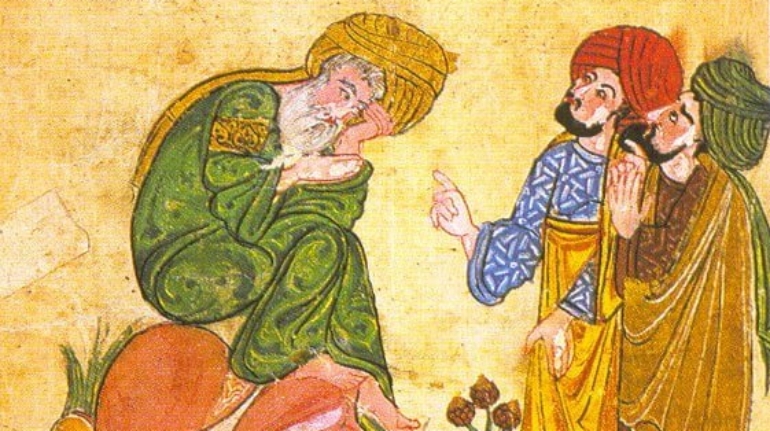
Depiction of Socrates in a manuscript by Al-Mubashshir ibn Fatik

Socrates: The Inspiring Legacy of Wisdom

⚫ Socrates’ life and teachings have had a profound influence on philosophy, encouraging critical thinking and self-reflection.
⚫ His Socratic Method and Dialectical Reasoning have shaped the way we approach knowledge and truth.
⚫ Despite his controversial trial and execution, Socrates’ legacy continues to inspire and shape philosophical discourse.
⚫ Comparisons between Socrates and other philosophers like Plato and Aristotle highlight his significant contributions to philosophy.

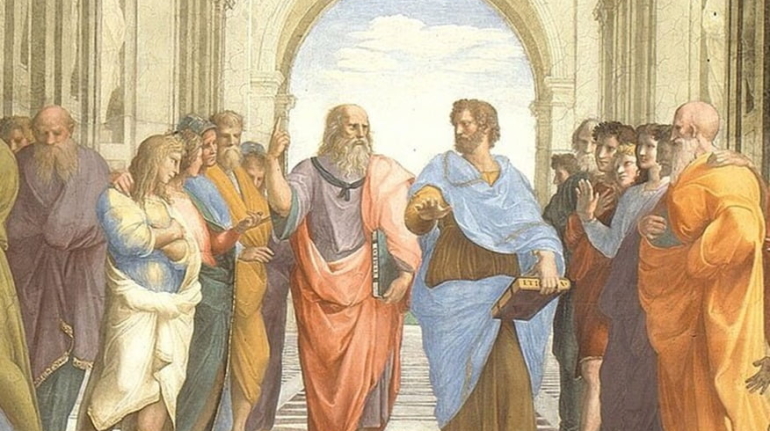
Raphael's 'The School of Athens' - A Visual Representation of Greek Philosophical Legacy-Plato left and Aristotle right.

Socrates, Plato & Aristotle: The Three Thinkers Who Built Western Thought

⚫ Question Everything: Socrates’ method promotes critical thinking and truth-seeking through questioning.
⚫Seek Deeper Understanding: Plato’s Theory of Forms encourages looking beyond the surface to understand the ideal form of things.
⚫Understand the Causes: Aristotle’s Four Causes theory provides a comprehensive framework for understanding the nature of things.
⚫Enduring Influence: The teachings of Socrates, Plato, and Aristotle continue to shape modern philosophy and thought.